

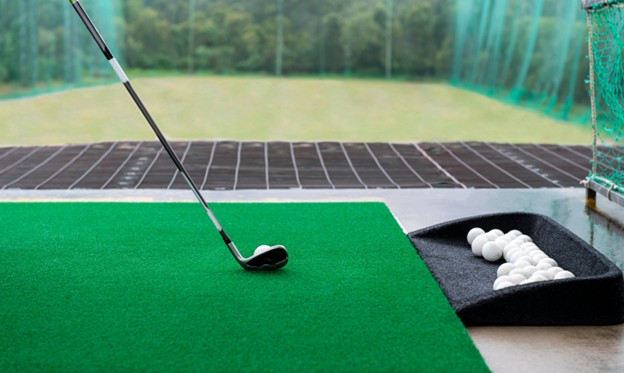
Anyone who has spent enough hours working on their swing knows there’s a quiet truth most golfers don’t say out loud: a practice session is only as honest as the surface beneath your feet. You can bring the right intent, the right tempo, and even the right mechanics and yet one unreliable mat can distort everything you’re trying to refine. It’s astonishing how quickly bad feedback becomes bad habit, especially when the mat sends the wrong message to your wrists, your club face, or your confidence.
Over the past decade, golfers have become more thoughtful about their equipment, but the practice mat still sits in a strange category: essential, yet often overlooked. It’s the one piece of gear that touches every swing, but rarely the one that gets evaluated with the same scrutiny as a driver head or a launch monitor. And that’s exactly where performance gaps begin. A high-quality driving range golf practice mat doesn’t simply provide a hitting surface – it reinforces consistency, supports your technique, and keeps your sessions productive instead of punishing.
Many of the problems players have are caused by the way the course responds, not by problems with their swing. When the mat acts in unpredictable ways, the swing you’re trying to improve is thrown off by conditions that don’t reflect real life. Premium mats fill that gap; they don’t promise quick fixes, but they make sure that every hit gives you reliable feedback.
Below, we examine the most common problems with ordinary mats – and why serious golfers eventually outgrow them.
Problem 1: Turf That Compacts, Flattens, or “Dies Out”
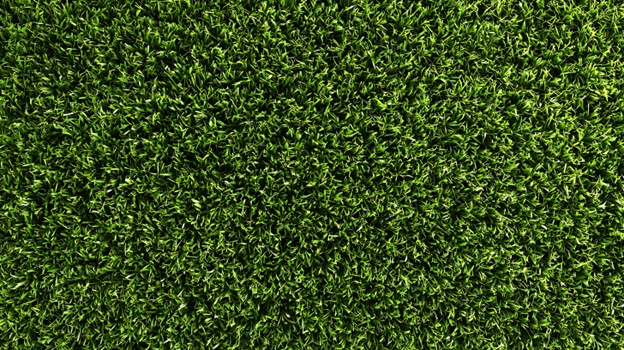
Compression is the problem that affects everyone. Cheap mats get thin, rough spots fast that make clean shots harder to see and hide bad ones. On hits that should feel crisp, you start to feel vibrations. Even worse, the club can bounce in a way that doesn’t make sense, making it look like the ball was over when your techniques were fine.
The solution lies in mats engineered with resilient fibers – materials that rebound rather than collapse. Premium mats are designed to maintain their structure session after session, ensuring the turf never deteriorates into a hard, inaccurate surface. They return to shape, maintain height, and provide a consistent strike path that mirrors real fairway conditions.
Problem 2: Feedback That Misleads Instead of Teaches
A mat should never argue with your swing. It should tell the truth – good, bad, or somewhere in between. The problem with mass-produced surfaces is that they aren’t built with feedback in mind. They either:
- Over-punish the club, making clean strikes feel harsh or,
- Over-forgive, masking contact errors that would matter on real turf
This creates a false sense of skill or an unnecessary sense of frustration. A premium driving range golf practice mat solves this by balancing energy return and shock absorption. It lets your club interact with the grass in a way that is similar to how it would be in real life – firm enough to show mistakes but realistic enough to award accuracy.
Problem 3: Mats That Shift, Slide, or “Float” Under Your Stance
Most golfers don’t realize how important stability is to the quality of their swing. Shifting mats underfoot can change your posture, how your hips rotate, and how your weight is distributed. You might not even be aware that a quarter-inch of movement can change your takeaway or strike technique.
Superior mats use backing systems engineered for grip and durability. They stay grounded, maintain a level stance, and eliminate that slight slip that throws off your sequencing. Once the base is stable, your swing starts from a place of accuracy rather than compensation.
Problem 4: Moisture Build-Up, Odor, and Surface Decay
A lot of the time, cheap mats soak up sweat, water, and humidity. Bacteria grow, there is an unpleasant smell, and the fibers break down much faster than imagined over time. It also makes the answer unpredictable when it’s wet, which can make your swing feel strange.
Higher-end mats are built with materials that shed moisture rather than store it. They resist breakdown, prevent mold formation, and stay functional regardless of weather. This is especially crucial for outdoor setups that endure seasonal shifts.
Problem 5: Swing Fatigue and Wrist Discomfort
If you’ve ever finished a practice session feeling like you hit the ground instead of the ball, the mat is the likely culprit. Low-quality turf often sends too much shock back through the shaft, which eventually hits your elbows and wrists.
This is fixed in better mats by adding engineering cushioning – not in a soft, fake way, but in a controlled way that lowers joint stress while keeping the realistic feel of the turf. The easy goal is to keep the golfer safe without taking away from the fun.
Why Premium Mats Are an Investment, Not an Accessory
Repetition is the key to building good exercise habits. It’s only possible for repetition to work when the world is stable. This is why both pros and serious amateurs finally upgrade their hitting surface: it makes every swing they take afterward more valuable.
A well-built driving range golf practice mat doesn’t just elevate the quality of your home setup; it reduces injury risk, enhances your confidence, and ensures that your practice sessions translate directly into performance on the course. When the turf behaves consistently, your swing can evolve without interference.
The right mat won’t make you a better golfer overnight. But it will allow every swing you take to mean something, and that is what reliability looks like in real progress.